Breastcancer.org Podcasts: Experts discuss research & issues
Comments
-
Triple-Negative Breast Cancer and the TRIM37 Protein
Is the TRIM37 protein one reason why Black women are more likely to be diagnosed with triple-negative breast cancer? Dr. Sanchita Bhatnagar discusses her research.
Apr 4, 2025

It’s been known for many years that Black women are twice as likely as white women to be diagnosed with triple-negative breast cancer. If diagnosed with this type of breast cancer, Black women are also more than twice as likely to die from the disease than women of other races and ethnicities. Researchers have been studying a number of factors that may play a role in these disparities.
Dr. Sanchita Bhatnagar’s research has found that cells that have too much TRIM37 protein are much more likely to become cancerous. She and her colleagues also have found that the breast tissue of Black women are much more likely to have high levels of TRIM37.
Listen to the episode to hear Dr. Bhatnagar explain:
- how she began studying the TRIM37 gene
- how a variant in the TRIM37 gene that causes more of the TRIM37 protein to be made is more common in Black women that white women
- how a medicine that targets the TRIM37 protein could help stop triple-negative breast cancer from metastasizing
- next steps for her research
0 -
Winter 2025 Breast Cancer Research Round Up
Have you been diagnosed with metastatic hormone receptor-positive breast cancer or DCIS? Dr. Kevin Fox discusses the latest research.
Apr 18, 2025

Can people diagnosed with metastatic hormone receptor-positive breast cancer avoid chemotherapy and take a CDK4/6 inhibitor instead? Do people diagnosed with DCIS need to have surgery? Will there soon be another oral selective estrogen degrader available?
Breastcancer.org medical advisor Dr. Kevin Fox explains the details of the studies and what they mean for you.
Listen to the episode to hear Dr. Fox discuss these studies:
- Young-PEARL: Ibrance plus Aromasin, along with ovarian suppression, offers better progression-free survival than Xeloda for pre-menopausal women with metastatic hormone receptor-positive, HER2-negative breast cancer who had previously received tamoxifen.
- PATINA: Adding Ibrance to standard-of-care first treatments for metastatic hormone receptor-positive, HER2-positive breast cancer increased progression-free survival by more than a year.
- EMBER-3: Imlunestrant led to longer progression-free survival than standard therapy if the cancer had an ESR1 mutation among people with estrogen receptor-positive, HER2-negative advanced-stage breast cancer. Adding Verzenio to imlunestrant improved progression-free survival compared to imlunestrant alone, whether the cancer had an ESR1-mutation or not.
- COMET: Can people with low-risk DCIS just be monitored instead of having surgery with or without radiation?
0 -
Breast Cancer Doesn’t Care About Gender
What is it like to be a member of the trans community and diagnosed with breast cancer? Ash Davidson shares his story.
May 2, 2025

Ashton Davidson was diagnosed with breast cancer during gender-affirming top surgery. He faced some unique challenges and situations during and after treatment.
Listen to the episode to hear Ash explain:
- the emotions he felt when diagnosed
- how he decided to become an outspoken advocate
- how he lives authentically in the face of adversity
- how he finds joy, especially today
Listen now or read the transcript.
Episode image photo credit: Ann Alva Wieding
0 -
The Research METAvivor Funds
METAvivor President Dr. Kelly Shanahan discusses the research the organization supports.
May 16, 2025
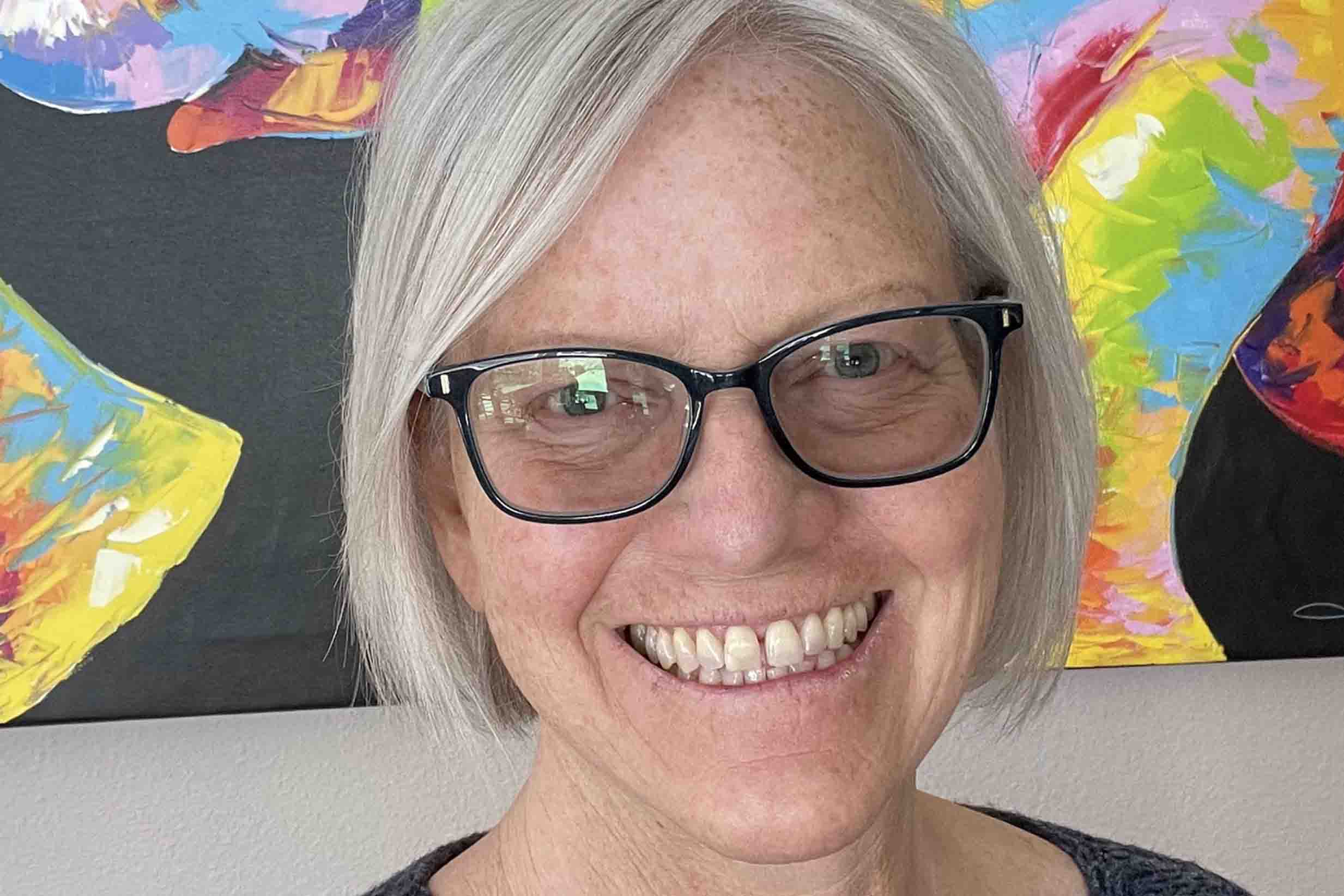
By 2030, researchers estimate that about 246,000 people will be living with metastatic breast cancer. METAvivor is the first organization dedicated to raising awareness of, and funding research on, stage IV breast cancer. Dr. Kelly Shanahan, current METAvivor president, has been living with metastatic disease for 11 years.
Listen to the episode to hear Dr. Shanahan explain:
- how METAvivor started funding research
- the funding process
- why private funding is so important in today’s political climate
- what she’s most fearful of
0 -
Lifestyle Risk Factors and Breast Cancer Mortality
Dr. Samantha El Warrak’s research found that a diet high in red meat was most linked to dying from breast cancer.
May 27, 2025

At the 2025 American Society of Clinical Oncology (ASCO) Annual Meeting, Dr. Samantha El Warrak presented the results of her research on how five lifestyle factors affect the risk of dying from breast cancer.
Listen to the episode to hear Dr. El Warrak explain:
- the five risk factors included in the study
- which risk factors were most linked to breast cancer mortality
- what the results mean for women diagnosed with breast cancer
0 -
Top Breast Cancer Research at ASCO 2025
Dr. Eleonora Teplinsky explains DESTINY-Breast09, ASCENT-04, and SERENA-6.
Jun 2, 2025
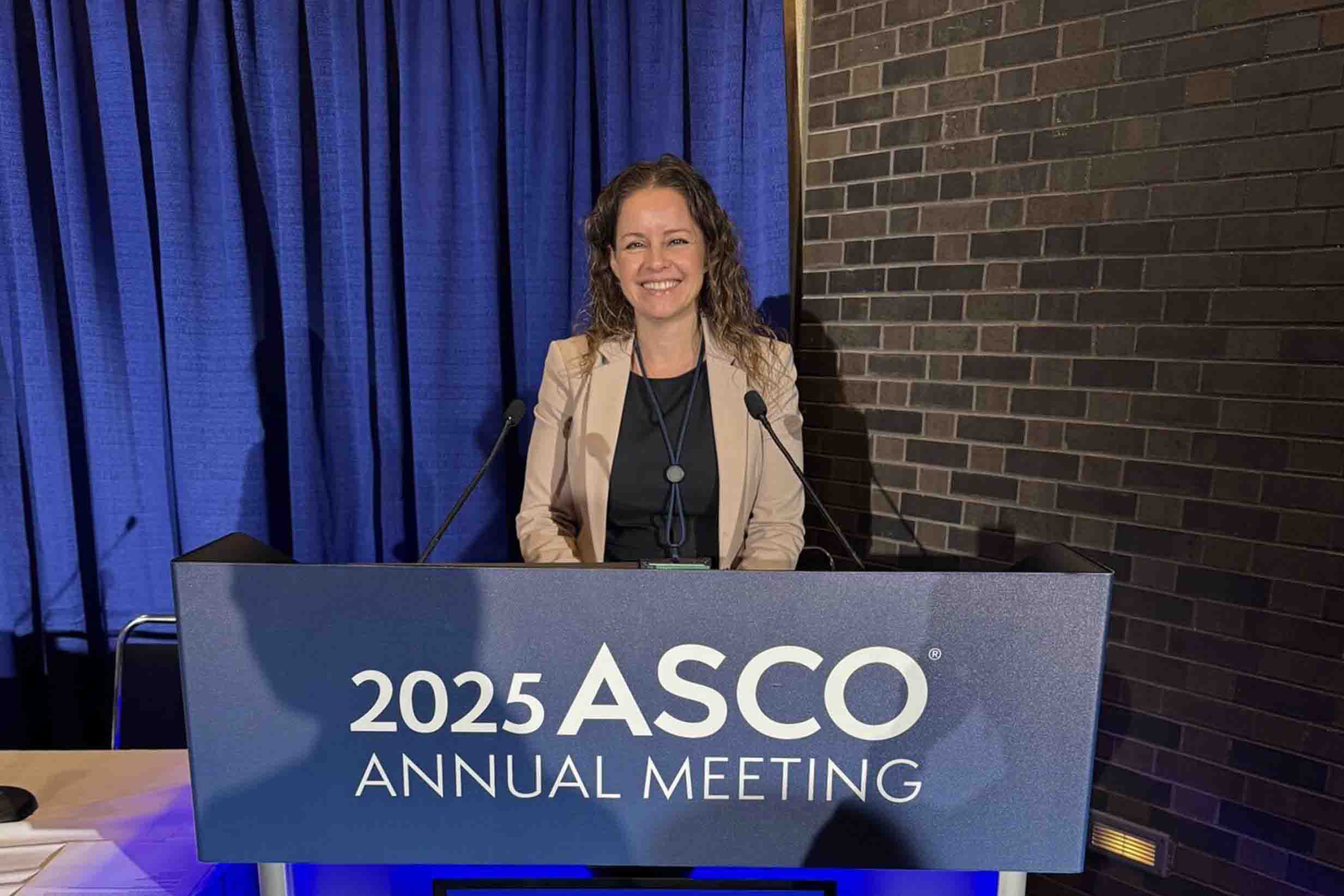
The 2025 American Society of Clinical Oncology (ASCO) Annual Meeting featured five days of presentations and educational sessions on all types of cancer. Dr. Eleonora Teplinsky, a board-certified medical oncologist at the Valley-Mount Sinai Comprehensive Cancer Center in Paramus, NJ, summarizes the top breast cancer research.
Listen to the episode to hear Dr. Teplinsky discuss:
- The SERENA-6 trial, which found that if metastatic hormone receptor-positive, HER2-negative breast cancer develops ESR1 mutations during the first hormonal therapy treatment, switching to camizestrant from an aromatase inhibitor before the cancer grows improves outcomes.
- Results from the DESTINY-Breast09 trial showing that the combination of Enhertu (chemical name: fam-trastuzumab-deruxtecan-nxki) and Perjeta (chemical name: pertuzumab) is a better first treatment for metastatic HER2-positive breast cancer than the current standard of THP chemo.
- The ASCENT-04/KEYNOTE-D19 trial, which found that people with metastatic PD-L1-positive, triple-negative breast cancer fared better with the combo of Trodelvy (chemical name: sacituzumab govitecan-hziy) and Keytruda (chemical name: pembrolizumab) as a first treatment compared to people who received chemotherapy and Keytruda.
0 -
Making Sure Exercise is Part of Cancer Care
Dr. Katie Schmitz discusses how to integrate exercise into care treatment plans, as well as a study showing exercise improved survival in people with colon cancer.
Jun 2, 2025

At the 2025 American Society of Clinical Oncology (ASCO) Annual Meeting, Dr. Katie Schmitz chaired a session on ways to ensure that exercise is part of every cancer treatment plan. She also talked about how results of the CHALLENGE trial in colon cancer might apply to breast cancer.
Listen to the episode to hear Dr. Schmitz explain:
- strategies doctors can use to make exercise an integral part of cancer care
- how people can afford and stay motivated to exercise
- the results of the CHALLENGE trial, which found that three years of exercise after colon cancer treatment improved disease-free survival (how long people lived without the cancer coming back) and overall survival (how long people lived whether or not the cancer came back)
0 -
Financial Toxicity and Breast Cancer: How Doctors Can Help
Dr. Fumiko Chino offers advice and suggestions on how to navigate financial difficulties.
Jun 3, 2025

At the 2025 American Society of Clinical Oncology (ASCO) Annual Meeting Fumiko Chino, MD, summarized her presentation on how doctors can help the people they care for overcome financial issues. She also offered some strategies for patients.
Listen to the podcast to hear Dr. Chino explain:
- some specific resources for people with cancer
- why people with breast cancer may have the most financial issues
- her top three recommendations for people having financial hardship
0 -
Managing Hormonal Therapy Side Effects
World-renowned breast cancer expert Dr. Hope Rugo offers strategies for the most troubling side effects.
Jun 11, 2025

At the 2025 American Society of Clinical Oncology Annual Meeting, Hope Rugo, MD, chaired a session on managing the side effects of new breast cancer treatments and also presented information on how to manage the side effects of hormonal therapy medicines, which are used to treat hormone receptor-positive breast cancer.
Listen to the episode to hear Dr. Rugo explain:
- ways to manage the side effects of tamoxifen and the aromatase inhibitors
- why talking to your doctor about side is crucial to managing them
- her advice for people who are having side effects from hormonal therapy medicines
0 -
Breast Cancer Doesn’t Care Whom You Love
Jaci Field, a member of the LGBTQ+ community, shares her story.
Jun 27, 2025

Four years after giving birth to her son, Jaci Field was diagnosed with breast cancer at age 39.
Listen to the episode to hear Jaci discuss:
- her breast cancer experience and her advocacy work
- the discrimination she’s faced, both because of her race and whom she chooses to love
- how she finds joy
0 -
Managing the Emotions of Metastatic Breast Cancer When You’re Young
Therapist Kelly Grosklags helps Melissa Jenkins moderate a special Virtual Community Meetup on managing the emotions you feel after being diagnosed with metastatic breast cancer at a young age.
Jul 11, 2025

This podcast is the audio from a special Virtual Support Group featuring guest moderator Kelly Grosklags.
Listen to the podcast to hear Kelly and Community members discuss:
- why you might not want to share tough emotions with the people in your life
- how to tell someone you need them to listen, not fix things
- how different members of the group shared their diagnosis with family and friends
0 -
Health Insurance and Disability for People Living With Metastatic Breast Cancer
Triage Cancer CEO Joanna Doran answers questions on how people with metastatic disease can best navigate health insurance and disability issues.Jul 25, 2025

This podcast is the audio from a special Virtual Support Group meetup featuring guest moderator Joanna Doran.
Listen to the podcast to hear Joanna and Community members discuss:
- Medicaid changes that may happen, including the work requirement
- the long-term disability approval process
- having both Medicaid and Medicare
0 -
Diagnosed With Breast Cancer While Pregnant
Rafaela Dreisin shares her journey through diagnosis, treatment, and giving birth.
Aug 8, 2025

At the start of her second trimester, Rafaela Dreisin was diagnosed with breast cancer at the age of 36.
Listen to the episode to hear Rafaela discuss:
- how she and her doctors decided on a treatment plan
- how she coped with experiencing the excitement of being pregnant and the fear of her diagnosis at the same time
- her advice for other people in the same situation
0 -
Teaching the Immune System to Fight Cancer
A new type of drug may be able to make the immune system attack cancer. Dr. Benjamin Schrank explains his research.
Aug 22, 2025

Antibody-drug conjugates (ADCs) are a relatively new type of medicine for breast cancer. Enhertu (chemical name: fam-trastuzumab-deruxtecan-nxki) and Dato-DXd (brand name: Datroway) are two ADCs used to treat breast cancer.
Dr Benjamin Schrank and colleagues have developed a new type of ADC that combines an antibody with a toxin — called an antibody-toxin conjugate — that teaches the immune system to recognize and attack cancer cells.
Listen to the episode to hear Dr. Schrank explain:
- the antibody and the toxin component of the medicine
- how the new medicine works
- possible side effects
- next steps for the research
Listen now or read the transcript.
Episode image photo credit: The University of Texas MD Anderson Cancer Center
0 -
Chelsea’s Story: Diagnosed With Breast Cancer at 25
After genetic testing showed she had a BRIP1 mutation, Chelsea Vangrol’s doctor sent her for a baseline mammogram at age 25.
Sep 9, 2025

A medical assistant at Elizabeth Wende Breast Care in Upstate New York, Chelsea Vangrol had seen young women diagnosed with breast cancer. But she never expected to be one of them. She shares her experience of being diagnosed with DCIS at age 25 so other people in a similar situation will know they’re not alone.
Listen to the episode to hear Chelsea discuss:
- strategies she used to cope with stress and fear
- the factors she considered when making treatment decisions
- what she’d like other people who are diagnosed with breast cancer in their 20s to know
0 -
TNBC Can Change Hormone Receptor Status If It Comes Back
Triple-negative breast cancer may come back as hormone receptor-positive disease about a third of the time.
Sep 23, 2025

Triple-negative breast cancer is negative for both estrogen and progesterone receptors. So, it’s hormone receptor-negative. People diagnosed with this type of breast cancer aren’t offered hormonal therapy to reduce the risk of recurrence (the cancer coming back) because it’s thought that they wouldn’t be effective.
Dr. Lisa Newman and colleagues published research that found that among people diagnosed with early-stage triple-negative breast cancer, nearly 33% of the recurrences or second primary breast cancers were hormone receptor-positive. This means the hormone receptor status had changed when the cancer came back or when there was a new cancer. The results raise this question: Should people with triple-negative disease be offered hormonal therapy to reduce the risk of recurrence?
Listen to the episode to hear Dr. Newman explain:
- how she decided to investigate this issue
- why the results surprised her
- what the results mean for someone who’s been diagnosed with triple-negative breast cancer with a high risk of recurrence
0 -
Already Aware: Dealing With Feelings About Breast Cancer Awareness Month
October 7, 2025

Many people feel supported by Breast Cancer Awareness Month activities and pink merchandise. Others feel the month focuses on people who’ve been cured and leaves out people with metastatic disease. Some men with breast cancer feel the overwhelming pinkness of the month silences their experience. And others feel the pink labels on products linked to higher breast cancer risk, such as alcohol and cosmetics with ingredients like triclosan, are hypocritical.
This podcast is the audio from a special Virtual Community Meetup featuring guest moderator Kelly Grosklags.
Listen to the episode to hear:
- what people like and dislike about Breast Cancer Awareness Month
- why some people feel pressure to be the face of breast cancer for the month
- why some people don’t like the words “survivor” or “warrior”
- ways to support people with breast cancer during October
0 -
Weight Loss Drugs and Breast Cancer
October 21, 2025

According to a KFF poll, about one in eight, or 12%, of adults in the United States have used a GLP-1 medicine like Ozempic, Trulicity, Victoza, Mounjaro, Wegovy, or Zepbound. These drugs were originally developed to treat diabetes, but quickly started being prescribed for weight loss and other uses.
While they seem like wonder drugs, GLP-1 medicines do cause side effects and have risks. Nausea, vomiting, diarrhea, and constipation are common side effects. The drugs also can cause dizziness, headaches, and elevated heartbeat.
Dr. Neil Iyengar is a breast medical oncologist who studies how diet and exercise can improve quality of life for people with breast cancer. He’s also prescribed GLP-1 medicines for the people he cares for.
Listen to the episode to hear Dr. Iyengar explain:
- how GLP-1 medicines work
- the risks these drugs may pose for people receiving chemotherapy, immunotherapy, or a CDK4/6 inhibitor
- why he works closely with a weight loss specialist or endocrinologist when prescribing these medicines
- why the medicines work best when a person also makes lifestyle changes
0 -
Coping With the Fear of Breast Cancer Recurrence
November 3, 2025

After being diagnosed with breast cancer, nearly everyone worries that the cancer will come back. But for some people, this fear is overwhelming and interferes with their ability to function and live their lives. Clinical health psychologist Dr. Shelly Johns is studying the effect fear of breast cancer recurrence has on people’s lives and how they cope with that fear.
Listen to the episode to hear Dr. Johns discuss:
- the number of people have a fear of recurrence that warrants treatment
- how this fear affects people
- the coping strategies her study evaluated
- coping mechanisms anyone can use
0 -
Can We Stop Fat From Fueling Triple-Negative Breast Cancer?
November 18, 2025
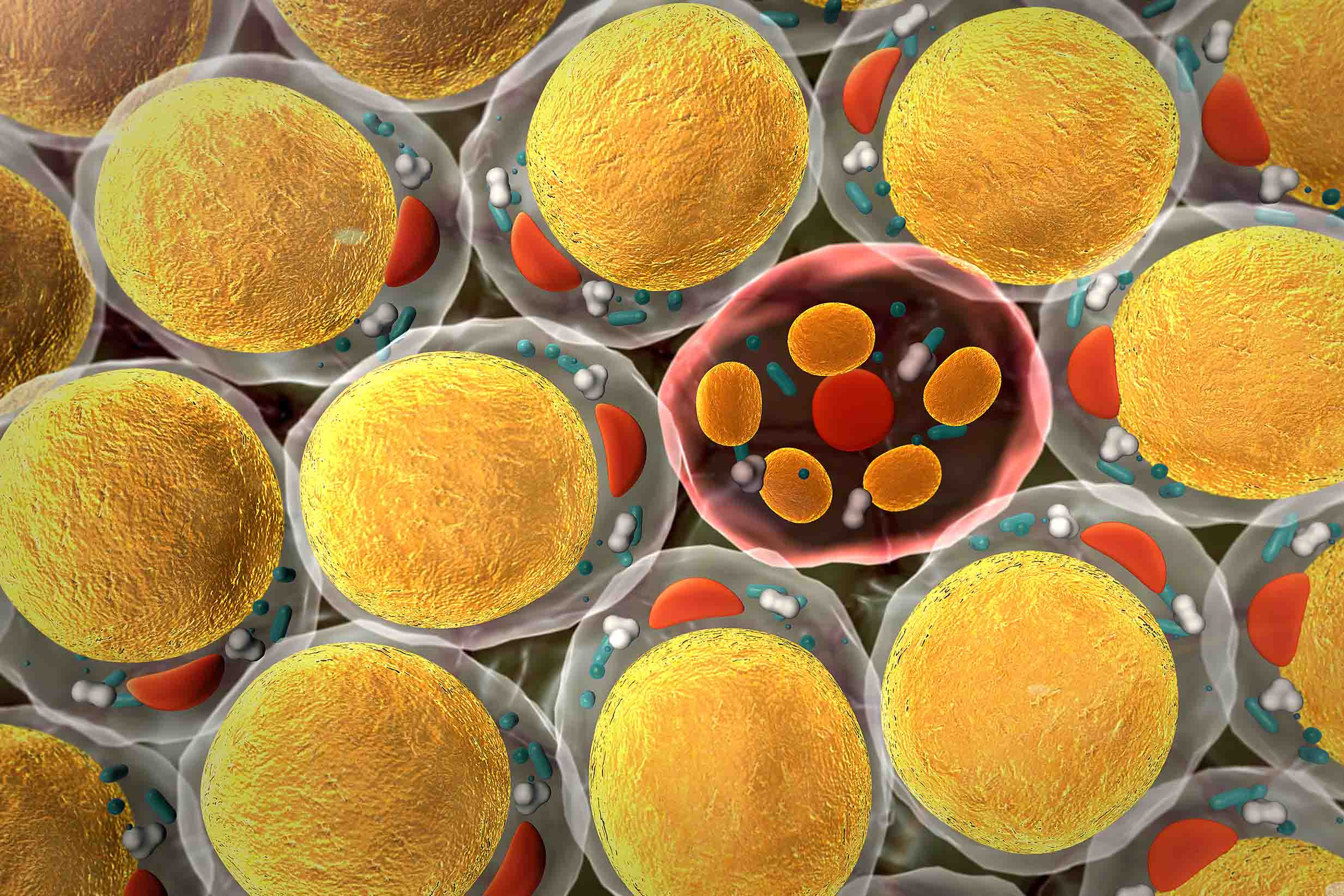
Dr. Andrei Goga and his colleagues found that triple-negative breast cancer cells build molecular tunnels called gap junctions into nearby fat cells and use the fat cells’ energy for fuel. When the scientists blocked the gap junctions, the tumors stopped growing.
Listen to the episode to hear Dr. Goga explain:
- how the study came about
- how the cancer cells connect to the fat cells
- how the process could work in metastatic TNBC
- what the results could mean for treating triple-negative disease
0 -
The Guy With Stage 4 Breast Cancer

December 2, 2025
Male breast cancer makes up about 1% of all breast cancer cases. The numbers are small, but it does happen. Jake Messier is living with metastatic breast cancer after first being diagnosed with stage II disease in 2023. Jake has very active Tik Tok and Instagram accounts (theguywithstage4breastcancer) detailing his experience with breast cancer.
Listen to the episode to hear Jake explain:
- how he felt when he was diagnosed
- why and how he got a second opinion and moved his care to Dana Farber
- why he decided to be vocal about being a man with breast cancer
- why he started the Male Breast Cancer Research Foundation and what he hopes to accomplish with it
0 -
Making HRT Decisions With a History of Breast Cancer

December 10, 2025
At the 2025 San Antonio Breast Cancer Symposium (SABCS), Dr. Tara Sanft, associate professor of medicine at the Yale School of Medicine and director of the Yale Survivorship Clinic, moderated a session called “Balancing Act: Hormone Replacement Therapy in Breast Cancer Care.”
Listen to the episode to hear Dr. Sanft explain:
- the difference between systemic and local HRT
- why HRT decisions need to be nuanced and individualized for anyone with a history of breast cancer – there is no one-size-fits-all
- her advice to people with a history of breast cancer who are considering HRT
0 -
Giredestrant Promising New Treatment For Early-Stage HR-Positive Breast Cancer
December 10, 2025

After surgery, many people with stage I to stage III hormone receptor-positive breast cancer take tamoxifen or an aromatase inhibitor for five to 10 years. This has been the standard of care for the last 25 years.
At the 2025 San Antonio Breast Cancer Symposium, UCLA scientist Dr. Aditya Bardia presented results on giredestrant, a new oral selective estrogen degrader/downregulator (SERD) that offered better disease-free survival — how long people live without the cancer returning – than tamoxifen or an aromatase inhibitor.
Listen to the episode to hear Dr. Bardia explain:
- how giredestrant is different from the two other available SERDs
- if giredestrant could be combined with a CDK4/6 inhibitor
- giredestrant side effects
- what the results mean for people diagnosed with early-stage hormone receptor-positive breast cancer
0 -
Bridging the Gap Between the Oncology and Mental Health Communities
December 10, 2025

At the 2025 San Antonio Breast Cancer Symposium, Whitney O’Connor, a two-time breast cancer survivor, licensed professional counselor, and founder of the Boobie Queen Company, presented a poster on the mental health tools she developed to help young women address any mental health and body image challenges they may have.
Listen to the episode to hear Whitney explain:
- the phases of cancer survivorship framework she developed
- how the retreats her company sponsored used the framework to help young women heal emotionally
- how she plans to integrate healthcare providers into the framework
0 -
“We Need More Education About the Risk of Recurrence”
December 10, 2025

At the 2025 San Antonio Breast Cancer Symposium, Megan-Claire Chase, known online as Warrior Megsie, a fierce and funny breast cancer advocate, presented a poster on real-world patient and caregiver experiences with breast cancer risk of recurrence in the United States.
Listen to the episode to hear Megan-Claire explain:
- why she and her colleagues wanted to do the survey
- the gaps in survivorship care the survey uncovered
- the support services patients and caregivers need
0 -
Acupuncture Helps Ease Chemo Brain
December 12, 2025

At the 2025 San Antonio Breast Cancer Symposium, Dr. Jun Mao, an integrative medicine specialist and licensed acupuncturist at Memorial Sloan Kettering Cancer Center, presented research showing that both real and sham acupuncture can help improve cognitive function in women treated for breast cancer. Sham acupuncture mimics real acupuncture, but no needles pierce the skin.
Listen to the episode to hear Dr. Mao explain:
- the complexities of chemo brain and why the causes are more than chemotherapy
- the results of the study
- his advice for people who would like to try acupuncture
0 -
Final Results From Early Trials on a Vaccine to Prevent TNBC
December 11, 2025

At the 2025 San Antonio Breast Cancer Symposium, Justin Johnson, PhD, presented a poster detailing the final results from three groups of people in a phase I trial on a vaccine to prevent triple-negative breast cancer.
Listen to the episode to hear Dr. Johnson explain:
- why the vaccine targets the alpha-lactalbumin protein
- the safety and dose results of the study
- what’s next for the research
0 -
Interactive Online Tool Improves Quality of Life in Young Breast Cancer Survivors
December 12, 2025

At the 2025 San Antonio Breast Cancer Symposium, Ann Partridge, MD, MPH, presented research on the Young, Empowered & Strong (YES) mHealth tool designed to better meet the emotional and physical health needs of young people who’ve received breast cancer treatment.
Listen to the episode to hear Dr. Partridge explain:
- how people access the tool and how it works
- the specific symptoms the tool helped improve
- what’s next for the tool
0 -
Addressing the Skin Side Effects of Breast Cancer Treatment
December 12, 2025

At the 2025 San Antonio Breast Cancer Symposium, Dr. Ian Tattersall, an oncodermatologist, was part of a panel focusing on body image, hair loss, and skin health after breast cancer treatment.
Listen to the episode to hear Dr. Tattersall explain:
- some of the most common skin issues
- who is a highest risk for skin issues
- his advice for people who are experiencing skin issues
0 -
Top Research From SABCS 2025
December 12, 2025
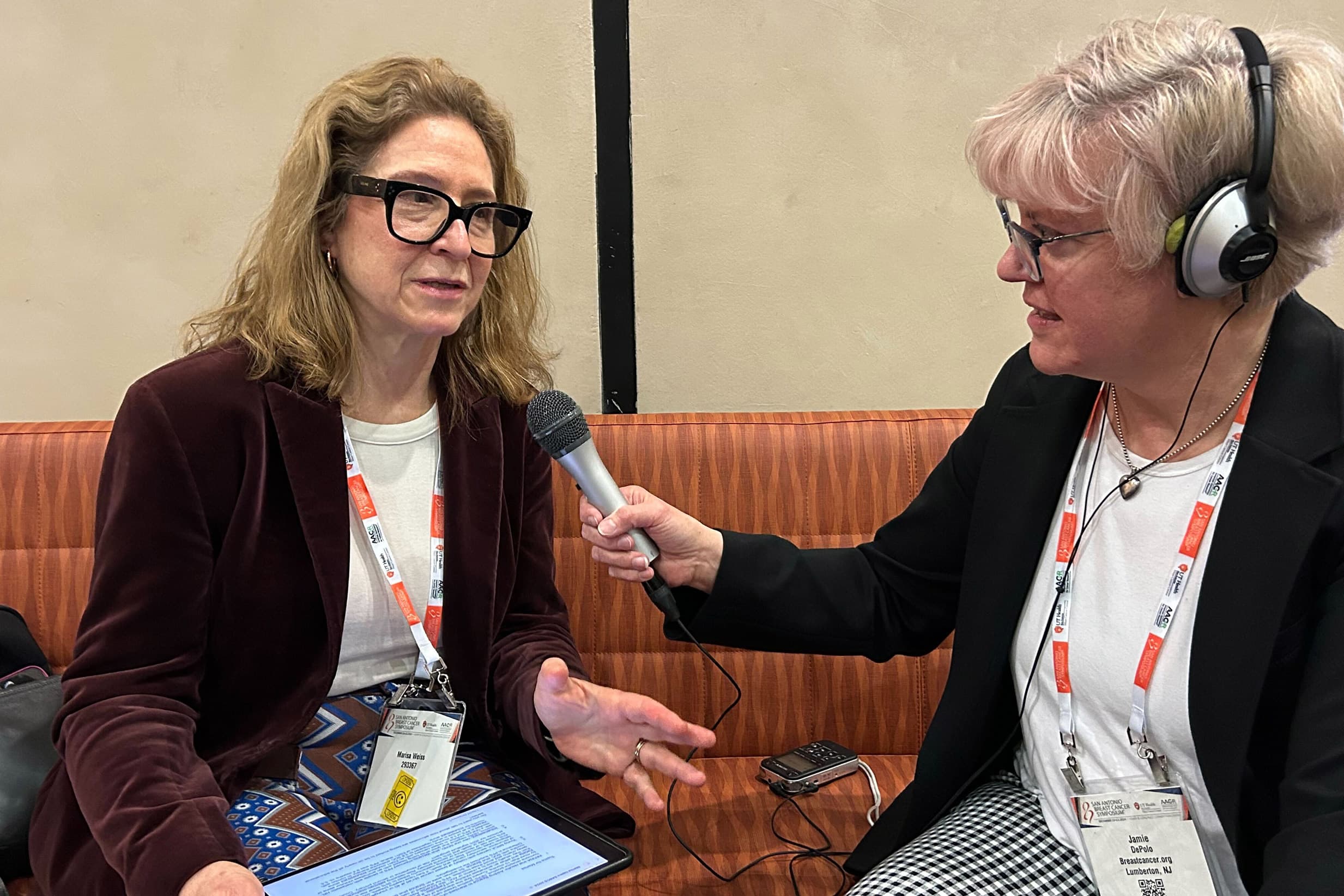
The 2025 San Antonio Breast Cancer Symposium featured four days filled with new research findings, poster presentations, and educational sessions. Marisa Weiss, MD, founder and chief medical officer of Breastcancer.org, offers her take on the top results.
Listen to the episode to hear Dr. Weiss explain:
- how giredestrant, a new oral SERD for early-stage, hormone receptor-positive breast cancer, may change practice
- a new use for Tukysa (chemical name: tucatinib) in metastatic HER2-positive disease
- the lifestyle factors that can affect breast cancer risk and steps people can take to keep their risk as low as possible
0