Breastcancer.org Podcasts: Experts discuss research & issues
Comments
-
Exercise As Cancer Treatment
January 6, 2026
Dr. Kerry Courneya discusses the CHALLENGE trial, the first study to show exercise improved survival after cancer treatment.

The CHALLENGE trial found that a three-year, structured exercise program after chemotherapy for stage III colon cancer reduced the risk of the cancer coming back (recurrence risk) and also led to people living longer overall. Dr. Kerry Courneya, the lead researcher, thinks the results can be applied to people with other types of cancer, including breast cancer.
Listen to the episode to hear Dr. Courneya explain:
- why the study asked people to exercise for three years
- why he thinks the results may spur insurance companies to cover exercise-related costs, like equipment and gym memberships
- the reasons why the results also could apply to people diagnosed with breast cancer
0 -
AIMSS: How Aromatase Inhibitors Can Affect Hands and Wrists
January 13, 2026
If you’re taking an aromatase inhibitor, you may have pain in your hands and wrists. Dr. David Bozentka explains the syndrome.

Bone and joint pain are some of the most common side effects of aromatase inhibitors, medicines for hormone receptor-positive breast cancer. The official name for this is aromatase inhibitor associated — or sometimes induced — musculoskeletal syndrome, also called AIMSS. Many people report pain in the knees, ankles, and hips while taking an aromatase inhibitor, but the hands and the wrists also might be affected.
Hand expert Dr. David Bozentka discusses how AIMSS can affect the wrists and hands, including symptoms such as carpal tunnel syndrome, trigger finger, and tendonitis.
Listen to the episode to hear Dr. Bozentka explain:
- the theories why aromatase inhibitors cause joint and bone pain, or AIMSS
- how to decrease the risk of AIMSS
- how carpal tunnel syndrome, trigger finger, and tendonitis are treated
0 -
How Will Health Insurance Changes Affect People With Metastatic Breast Cancer?
February 3, 2026
Triage Cancer CEO Joanna Doran answers questions about Medicare, Medicaid, and metastatic breast cancer.

The changes to federal- and state-run health insurance programs can be confusing, especially since some of the changes haven’t been implemented yet and others are being challenged in court. How will these changes affect people with metastatic breast cancer?
This podcast is the audio from a special Virtual Support Group featuring guest moderator Joanna Doran.
Listen to the episode to hear Joanna explain:
- what short-term health insurance plans are and what they may not cover
- what Medigap plans are and how they’re purchased
- Medicaid work requirements and required documentation
- differences between Medicare parts A, B, C, and D
0 -
Supercharging Cancer Vaccines
February 17, 2026
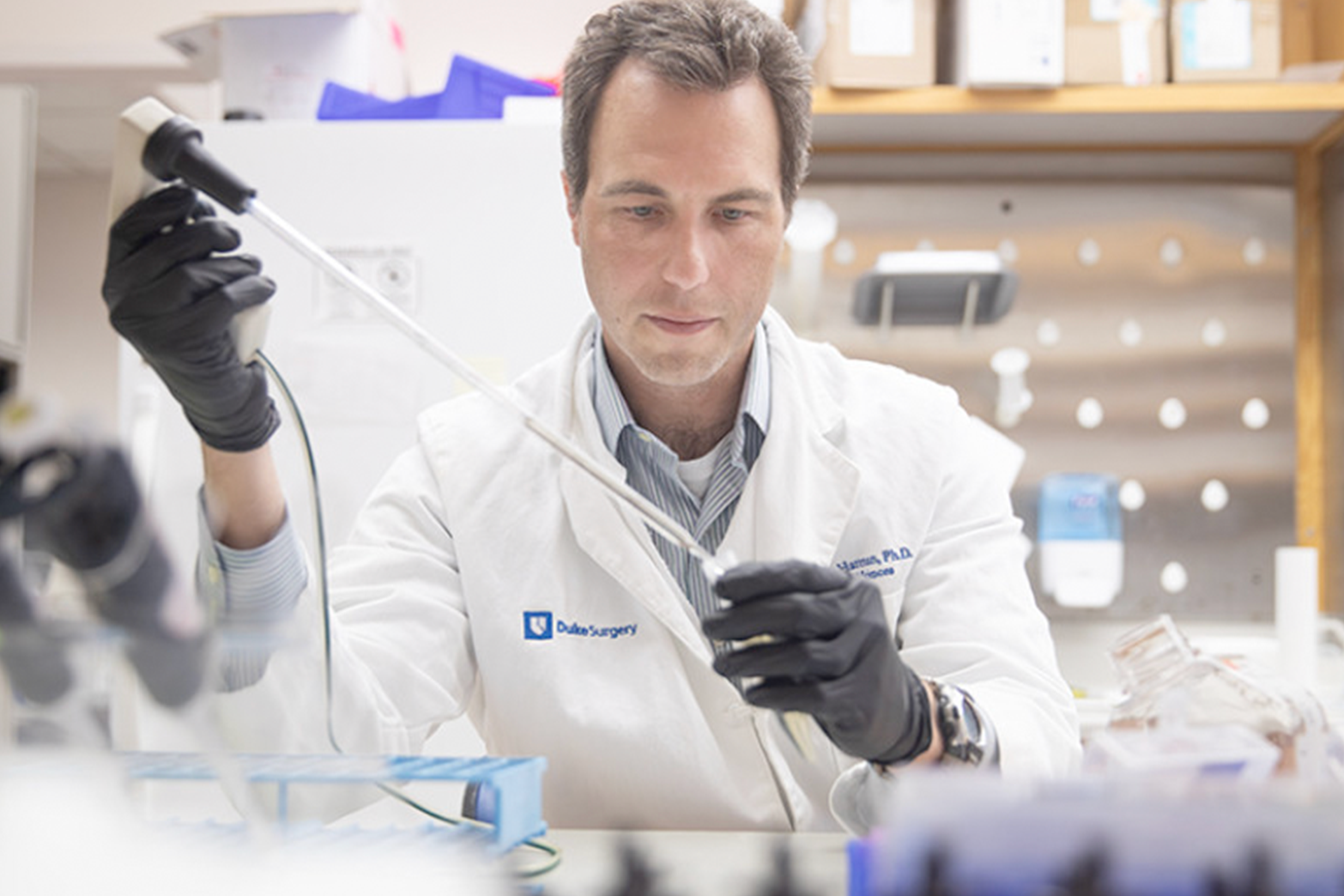
Zachary Hartman is developing an antibody that makes a vaccine targeting the HER2 protein more effective.
Twenty years ago, seven people diagnosed with metastatic HER2-positive breast cancer received a cancer vaccine as part of a clinical trial. Today, they’re all still alive. This prompted Zachary Hartman to study the immune systems of the people in the trial to see what was happening. He found that the women had immune cells that continue to recognize the cancer and keep it under control. Now his goal is to make that vaccine even more effective and make it work on other types of breast cancer.
Listen to the episode to hear Dr. Hartman explain:
- how the original study was done
- how he’s working to make the vaccine even more effective
- how the vaccine might be modified to work on hormone receptor-positive and triple-negative breast cancer
0 -
Antibody May Stop Growth of TNBC Cells
March 3, 2026
Dr. Nancy Klauber-DeMore is working to develop a targeted treatment for triple-negative breast cancer.
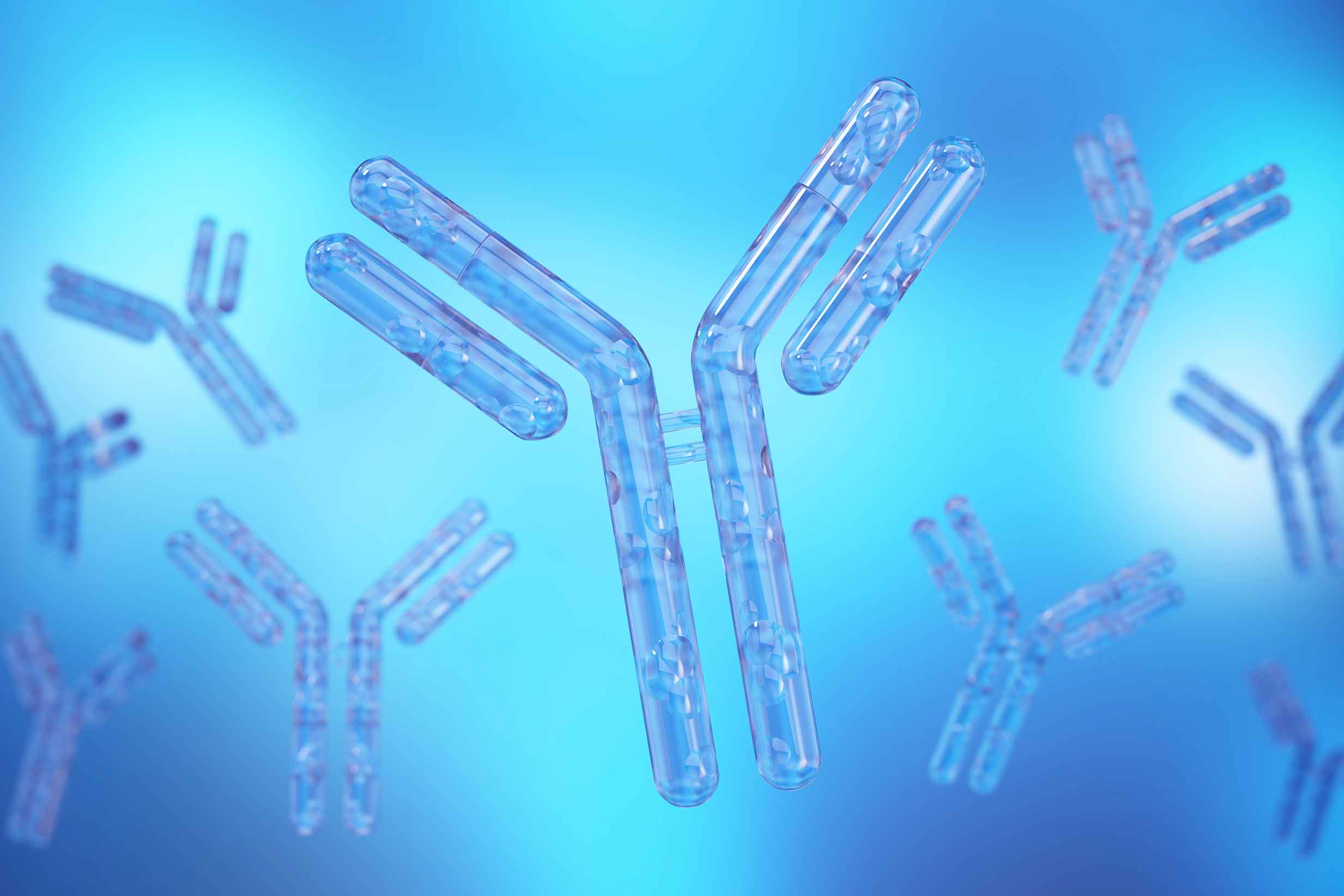
Secreted frizzled-related protein 2 is a protein that helps cancers grow by supporting the formation of new blood vessels, stopping cancer cells from dying, and weakening immune cells that should recognize and attack cancer cells. Dr. Nancy Klauber-DeMore is developing an antibody that blocks this protein. Early research suggests the antibody may halt the growth of triple-negative breast cancer.
Listen to the episode to hear Dr. Klauber-DeMore explain:
- what secreted frizzled-related protein 2 does and why she thought blocking it might help treat breast cancer
- why she’s focusing her work on triple-negative breast cancer
- the next steps for the antibody she and her team have developed
0 -
Cooling and Compression to Prevent Neuropathy
March 17, 2026
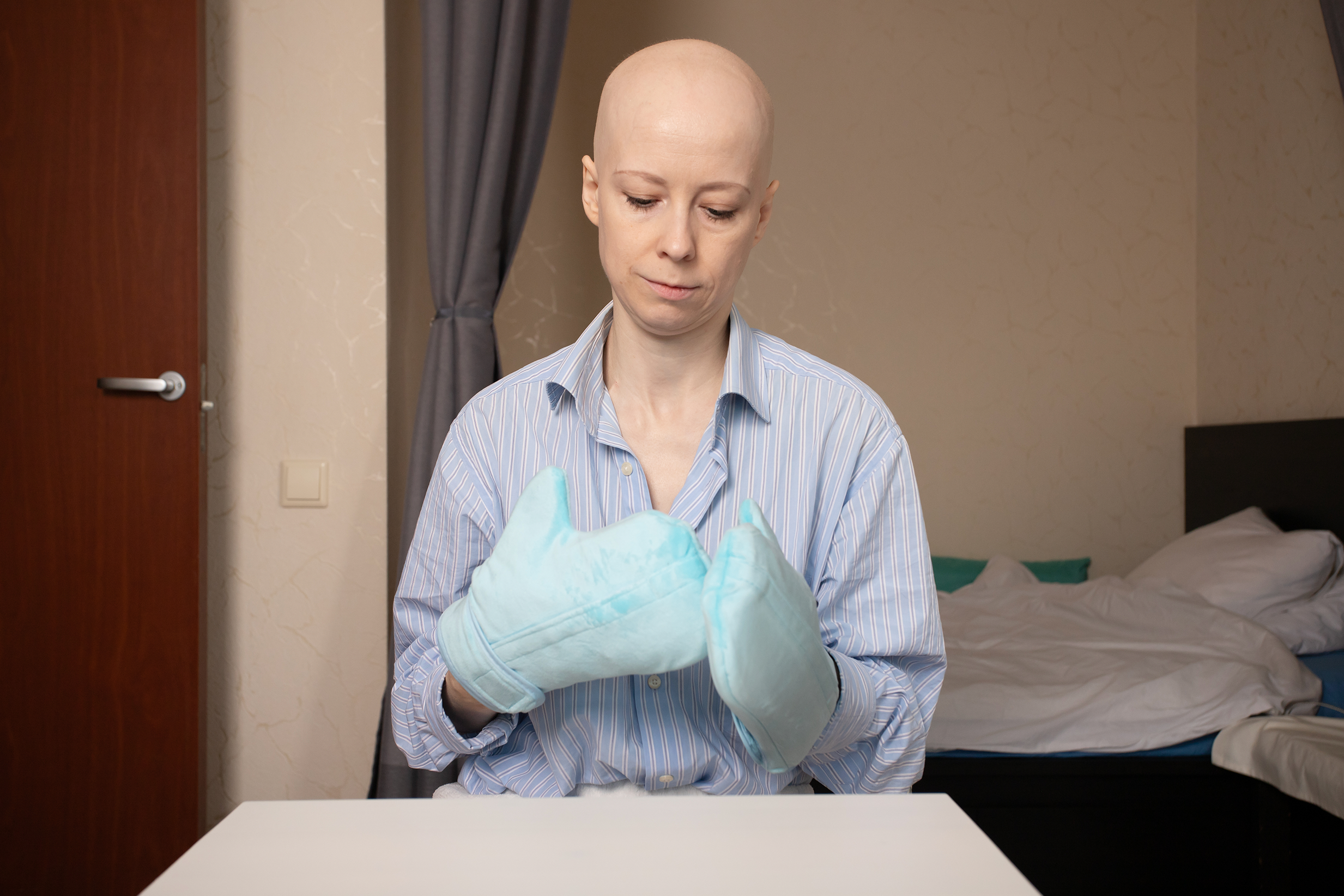
Can frozen mitts and socks, along with compression, help prevent neuropathy caused by chemotherapy?
Peripheral neuropathy is damage to the nerves that run to your hands, feet, arms, and legs. Neuropathy can cause burning pain, numbness, tingling, or muscle weakness in the areas that are affected. Chemotherapy, especially medicines called taxanes – Taxol, Taxotere, and Abraxane – are common causes of neuropathy in people receiving breast cancer treatment. While there are treatments that may help ease the symptoms of neuropathy, there is nothing available that can repair the damaged nerves. So studies are looking at ways to prevent neuropathy in the first place.
Dr. Eleonora Teplinsky, head of breast and gynecological medical oncology at Valley-Mount Sinai Comprehensive Cancer Care in Paramus, New Jersey, is the principal investigator at her institution of the ICE COMPRESS study, which is looking at cooling mitts and socks and compression to prevent neuropathy during chemotherapy. The study is being done at more than 20 sites across the United States.
Listen to the episode to hear Dr. Teplinsky explain:
- risk factors for neuropathy
- the rationale for the ICE COMPRESS study
- her advice to people who want to try icing and compression on their own during chemotherapy
0 -
Managing Mental Overload After a Breast Cancer Diagnosis
March 31, 2026

Kelly Grosklags, a licensed clinical social worker and grief counselor, helps Community Director Melissa Jenkins moderate a special meetup on how to navigate all the conflicting feelings that can come after a breast cancer diagnosis.
For some people a breast cancer diagnosis can bring on a rush of feelings: grief, anxiety, fear, hope, resentment, and anger. This podcast is the audio from a special Virtual Community Meetup featuring guest moderator Kelly Grosklags.
Listen to the episode to hear Kelly explain:
- why some people might feel more anxious after treatment is completed
- why feelings about a cancer diagnosis can be a form of grief
- how to make space for both/and instead of either/or
- how to move forward when you have ongoing oncology appointments
0 -
Breast Cancer Breaks the Fourth Wall
April 14, 2026

In Caitlin Shetterly’s latest novel, the main character has been diagnosed with breast cancer in her left breast. Six months after sending in her draft, Shetterly was diagnosed with breast cancer in her left breast. Breast cancer had broken the fourth wall between Shetterly, her characters, and her readers.
Listen to the episode to hear Caitlin explain:
- how she came up with the idea of her character Alice being diagnosed with breast cancer
- why she thought Alice would be the only person who could understand what she was going through
- how breast cancer changed her as a person and as a writer
0 -
Histotripsy for Breast Cancer in the Liver
April 28, 2026
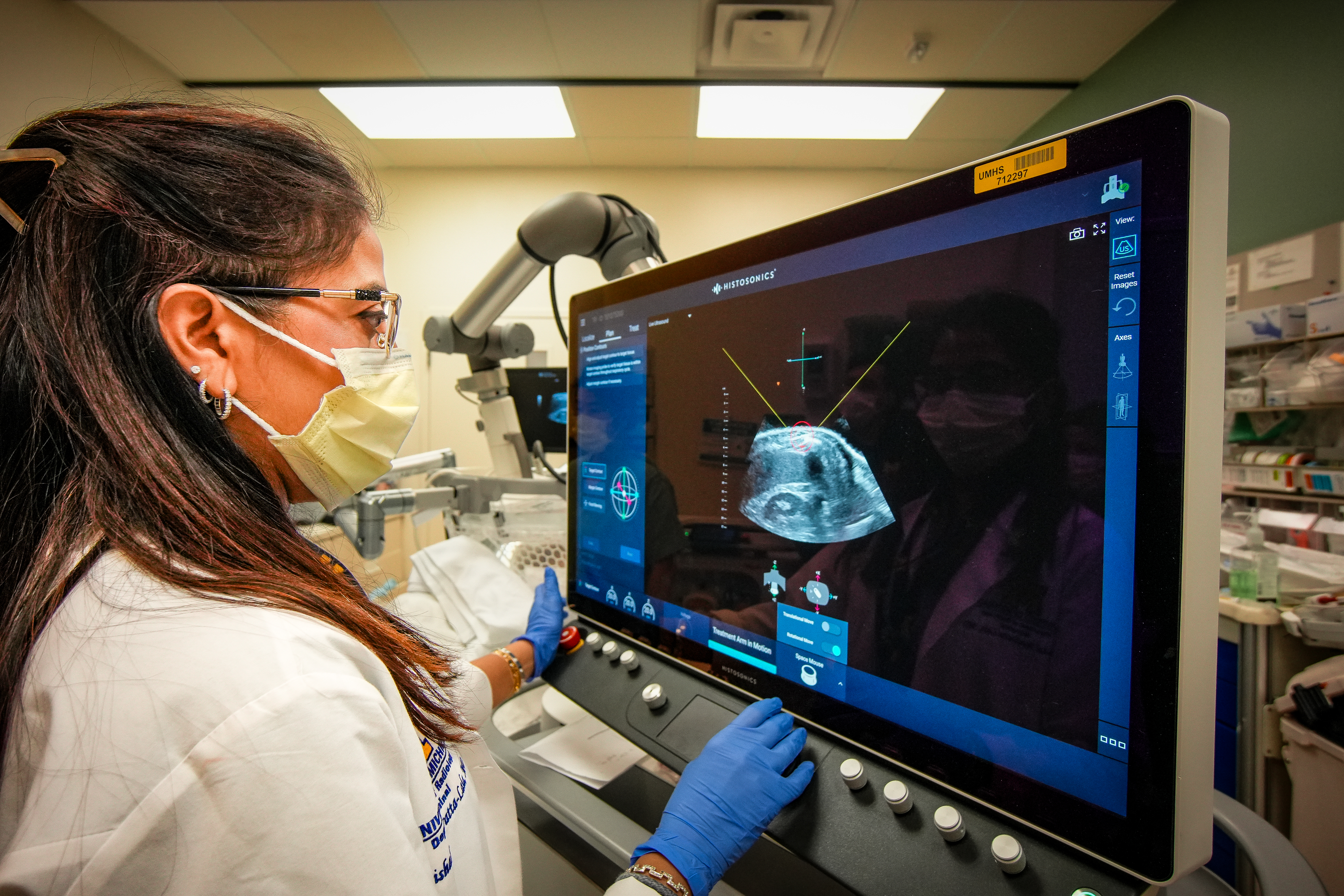
Histotripsy is a relatively new technology that uses ultrasound to destroy tumors in the liver.
Dr. Brock Hewitt is a surgeon who specializes in treating cancerous and non-cancerous tumors in the liver and other internal organs. One of the techniques he uses is histotripsy. He’s published a number of papers on the procedure and its effectiveness.
Listen to the episode to hear Dr. Hewitt explain:
- how histotripsy works and why it’s only used to treat liver tumors
- how doctors decide if histotripsy is right for someone with liver metastases
- the risks and benefits of histotripsy
- insurance coverage for histotripsy
0 -
Is Breast Cancer Linked to Certain Bacteria?
Can the bacterium that causes periodontal disease make breast cancer develop?
Published on May 12, 2026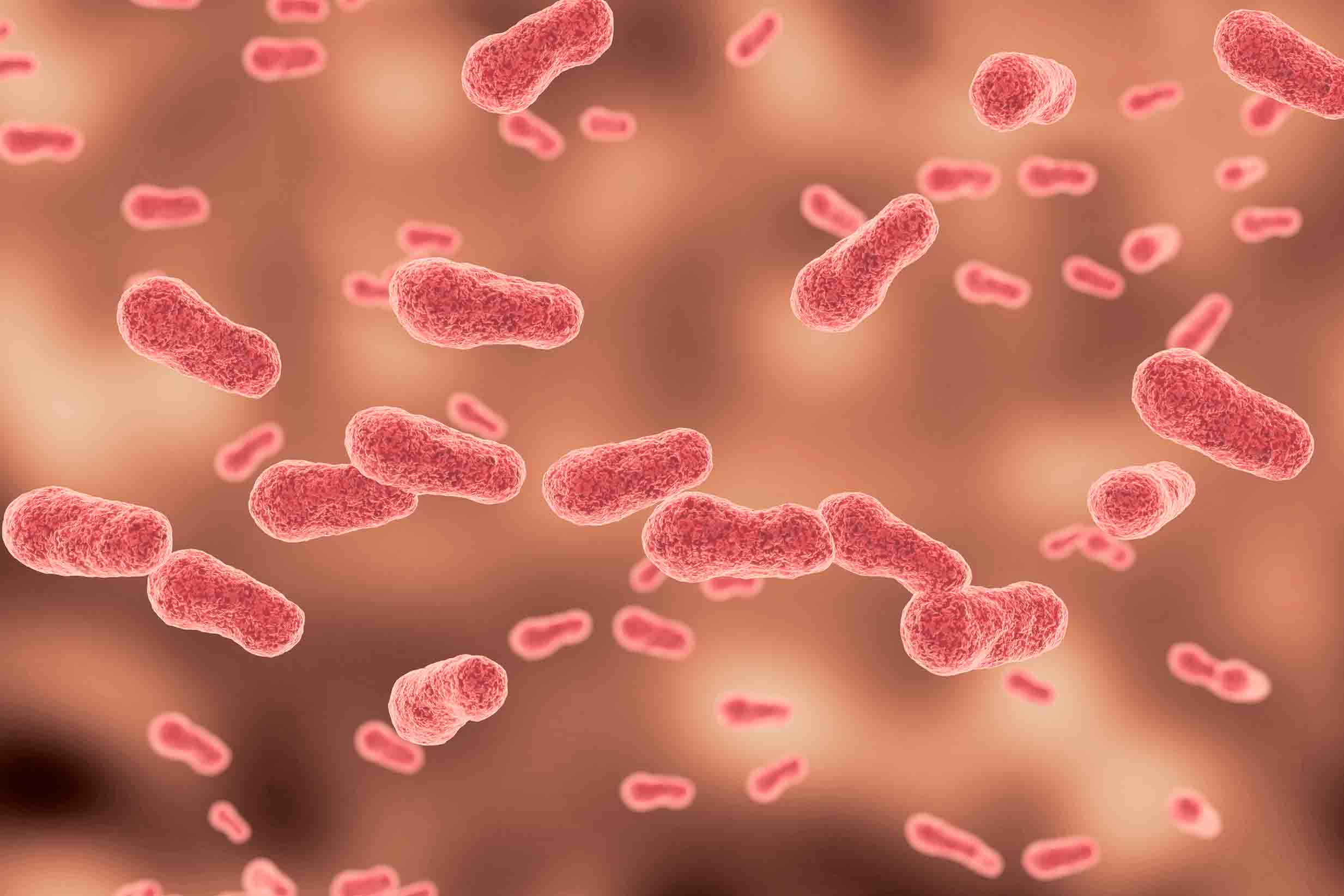
Dr. Dipali Sharma and her team published two papers that found links between bacteria, including F. nucleatum, the bacterium that causes periodontal disease, and the development of breast cancer.
Listen to the episode to hear Dr. Sharma explain:
- her work to figure out how bacteria travel from the gut or mouth to the breast
- the changes the bacteria cause in breast cells
- why breast cells with BRCA1 mutations were more likely to have higher levels of bacteria in them
- how research to inhibit a specific enzyme may one day lead to a new breast cancer treatment
0 -
Can GLP-1s Treat Lymphedema?
GLP-1 medicines treat diabetes and help people lose weight. Can they also ease lymphedema?
Published on May 26, 2026
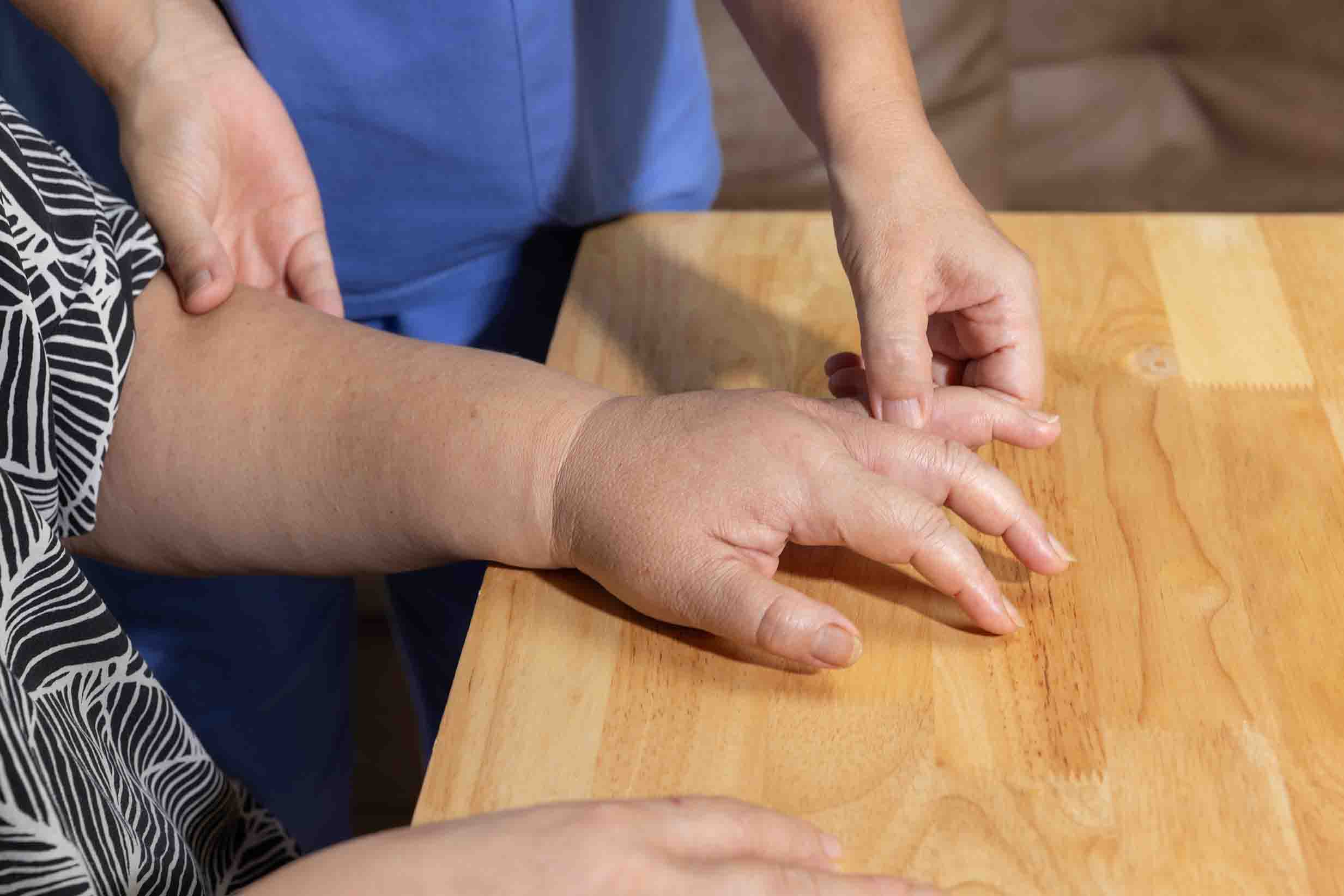
Dr. Michael Stubblefield is a cancer rehabilitation expert and Dr. Joseph Dayan is a plastic and reconstructive surgeon who has pioneered techniques to ease lymphedema with surgery. They’re both very interested in how the GLP-1 medicines, like Ozempic, Wegovey, Zepbound, Mounjaro, Victoza, and Trulicity — just to name a few — could be used to manage lymphedema.
Listen to the episode to hear Drs. Stubblefield and Dayan explain:
- how common lymphedema is among people with breast cancer
- current lymphedema treatments
- how the new study using a GLP-1 medicine to treat lymphedema came about
- what we know right now about GLP-1 medicines and breast cancer treatments
0